When the Game Goes Wrong: Little Conversations That Build Connection
Nookly Team · 5 min read
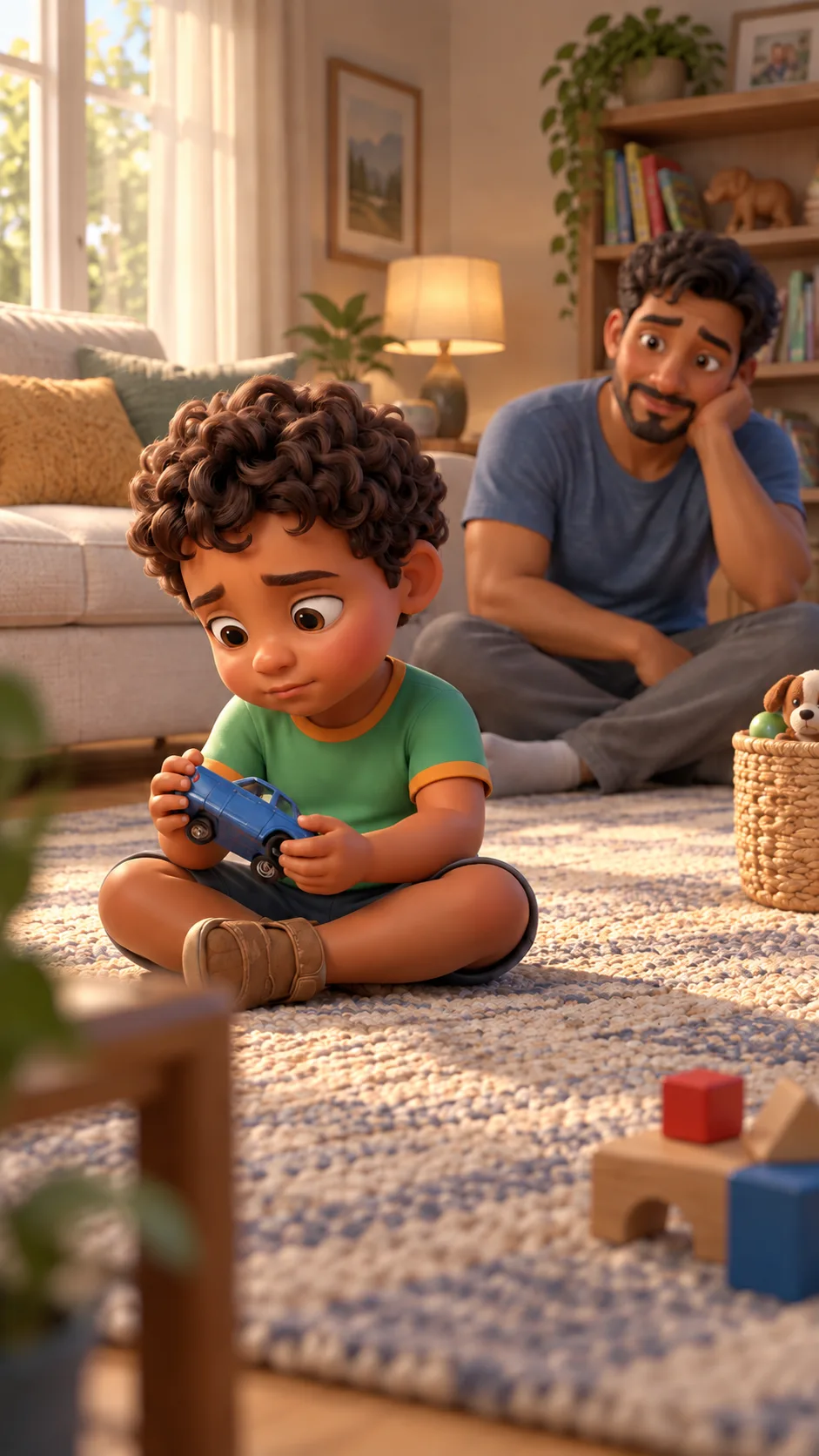
It was going so well. Family game night, snacks on the table, everyone laughing. Then your seven-year-old landed on the square that sends you back to the start. The board went flying. Cards scattered. There was a very loud "I HATE this game," and a door slammed hard enough to rattle the pictures.
You sit among the scattered pieces and think: well, that went badly. And it did. But it also opened a door, the other kind. Moments like this are where some of the most useful conversations with kids happen.
Feelings are allowed
The first thing a child needs to hear is that the feeling itself is okay. Losing is disappointing. Being sent back to the start after a great run feels unfair. Anger makes sense.
What isn't okay is throwing the board. That's the line to hold: all feelings are allowed, and some actions aren't. You might say, once everyone's calmer, "You were really angry about going back to the start. That's a big feeling. Throwing the board isn't okay, though. Let's work out what you could do next time."
Notice the order. Name the feeling first. Then the boundary. Then the plan.
It helps to calm your own body first. A slow breath before you speak tells your child the storm isn't catching.
Wait for calm, then listen
In the heat of the moment, nobody learns much. Give your child, and yourself, a few minutes. When you do talk, lead with listening. "What was the worst part?" Their answer might surprise you. Maybe it wasn't the game at all. Maybe they'd had a hard day and the game was the last straw.
Listening doesn't mean agreeing with everything. It means your child feels heard, which makes the next bit much easier.
If they can't find words yet, offer a few: "Were you disappointed? Embarrassed? Frustrated?" Give them the choice. Kids who can name a feeling precisely often find it easier to manage, because it feels less like a storm and more like something with a name.
Model repair
Repair is one of the most valuable social skills there is, and kids learn it mostly by watching adults do it. If you raised your voice, you can say, "I got frustrated too. I'm sorry I shouted." That shows them that mistakes can be fixed.
For the child, repair might be helping pick up the pieces, or saying something to the sibling who was winning. Don't force a hollow apology. A genuine "I'm sorry I threw it" a little later means much more than a mumbled one under pressure.
Siblings deserve care here too. The one who was winning might feel their fun was spoiled, or scared by the shouting. Check in with them separately. Repair includes everyone who was affected.
Practice before the next game
Kids handle frustration better when they have a plan. Before the next game night, try making a "when I'm losing" plan together: take three big breaths, squeeze a cushion, say "argh!" into your hands, or ask for a short break. Practice it when things are calm, maybe with a toy that "loses" at a pretend game. Then, when it happens for real, you can remind them gently.
You can also change the game a little. Cooperative games, where everyone wins or loses together, take some of the sting out while kids are learning. Or you can play a round where losing is the goal. Laughter goes a long way.
And it helps to tell your own stories. "When I was your age, I once cried because I lost at cards to my grandad." Children are fascinated by the idea that adults felt the same things.
Image placeholder · Inline image
Two friends playing together
The harder conversations
Everyday frustrations are practice for bigger things. Here are a few gentle starting points for harder topics. Go at your child's pace and let their questions lead.
Bullying. If your child tells you someone is being unkind to them repeatedly, thank them for telling you and take it seriously. Make sure they know it isn't their fault and it's not their job to fix it or to befriend the child who's hurting them. Help them name a trusted adult at school, and talk to that adult yourself. Keep checking in.
Divorce or separation. Children often wonder if they caused it. Say clearly, and more than once, that it isn't their fault and that both parents still love them. Keep explanations simple and honest, and avoid putting them in the middle.
Grief. When someone dies, use honest, simple words. The American Academy of Pediatrics' parent site advises age-appropriate honesty and plenty of listening, and avoiding phrases like "went to sleep," which can confuse or frighten young children. It's okay to say "I don't know" and to be sad together.
Tough questions. Kids ask about all sorts: why people fight, why someone is sick, what happens in the news. Answer what they asked, simply, and check what they've understood. You don't have to cover everything at once.
If your child seems stuck in sadness, fear or worry for a long time, reach out to their pediatrician or a qualified professional.
Sometimes a child won't want to talk. That's okay. Drawing, playing or walking side by side often opens things up more easily than sitting face to face.
By age, roughly
Around two and three, keep it very concrete. Name feelings as they happen: "You're sad the tower fell." Picture stories where a toy feels something are great.
Around five and six, kids can talk about why they felt something and try simple calming strategies. Role-play with toys works well.
Around eight and nine, many kids can reflect more deeply, think about how others feel, and plan for next time.
Whatever the age, remember that these conversations don't happen once. They happen in pieces, over dinner, in the car, at bedtime, often when you least expect it. You don't have to get each one perfect. Coming back to it later is part of the skill you're modelling.
Where Nookly can help
Nookly helps adults prepare. You might ask for a short story where a character loses a game and tries a calming plan, a set of feelings cards, or conversation starters for a hard topic. For example: "My seven-year-old flips the board when he loses. He loves racing cars. Make a short story about a race car who comes last and uses a calm-down plan, and five questions I can ask him afterwards."
You can create one experience on demand, or set up a personalized learning plan called a Blueprint for an ongoing Goal like handling frustration or starting a new school. Nookly isn't therapy, and it isn't a chatbot for your child to talk to. It helps you prepare the practice. The conversation is yours.
You review everything before it's used, and change any words that don't sound like your family.
Next game night
Before you open the box, spend two minutes making a "when I'm losing" plan together. Then play. If it goes wrong, you'll have something to try. If it goes right, you'll have something to celebrate.
Sources checked September 28, 2026: HealthyChildren.org (American Academy of Pediatrics), talking with children about death. Nookly isn't affiliated with or endorsed by the organizations named.
From the Neighborhood
Try a ready-made bundle
Taking Turns and Playing FairFairness and turn-taking through play, for the game-night moments the article starts with.View bundle- Naming Feelings and Handling Frustration — Name the feeling, say it, try a next step.