Preparing Your Neurodivergent Child for a Confident Start to Preschool or Kindergarten
In this guide, you’ll find practical tips, proven visual supports, and collaborative strategies with teachers to help your child feel prepared, confident, and excited for their first big day.


New experiences can be scary for anyone. For kids with developmental delays like autism, speech, or motor delays, the first day of school can bring some specific challenges:
-
New routines: Changes can cause kids to feel anxious
-
Communication challenges: Coping with separation can be tough when children struggle to express their feelings.
-
Sensory sensitivities: New noises, unfamiliar lighting, and large crowds may feel overwhelming.
For neurodivergent kids, visually engaging tools like visual schedules or social stories can help make new transitions more predictable. Visual supports are great for creating more clarity and comfort.
Essential Visual Supports for a Smooth Start
Social Stories
Short, illustrated narratives (“This is my preschool. Here is my classroom…”) help children anticipate what will happen and make them more prepared for new social environments or interactions (CST Academy).
Visual Schedules
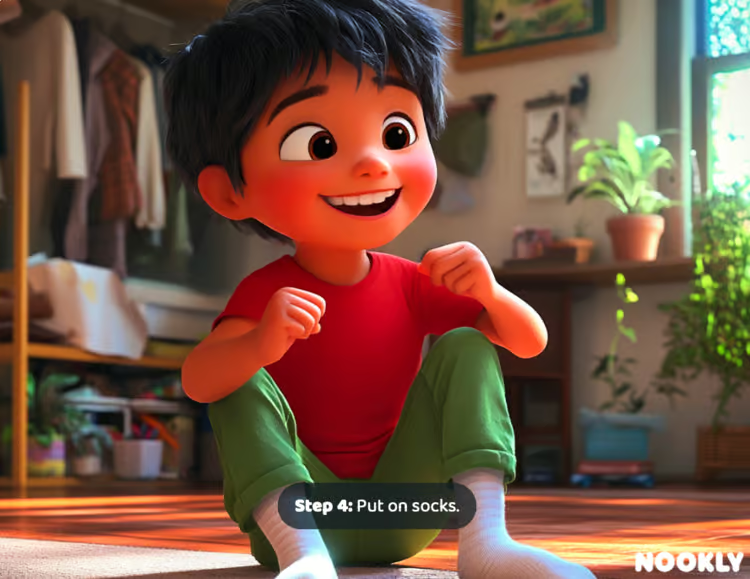
Breaking out the day into individual steps (arrival at school, eat a snack, circle time or monring meeting) with pictures helps children anticipate what will happen so they aren’t as surprised and anxious.
Emotion Regulation Cards
Pictures showing faces expressing different feelings (“happy,” “worried,” “mad”) can give children a non-verbal way to share how they’re doing.
These tools are widely used and are useful long after that first day, too! If you don’t quite know where to start (which is totally fair!), platforms like Nookly can help you quickly create personalized materials and guide you in the process.
Collaborating with Your School Team Before Day One
Getting off to a good start usually means everyone working together. When home and school are on the same page, transitions typically go much better for kids. (Innovate ABA).
How to Partner With Your Preschool or Kindergarten Team
When home and school align, transitions are smoother. Here’s how to partner effectively:
-
Pre-Enrollment Meetings: Connect with teachers and other support staff to talk about your child’s strengths, interests, and anxieties.
-
Share Success Strategies: Help educators support your child by sharing what works at home (from favorite calming techniques to helpful routines).
-
Review IEP Accommodations: Align on goals and discuss how accommodations will be provided in the classroom.
-
Arrange Practice Visits: Short “preview” visits help children adjust at their own pace before school actually starts.
-
Create Communication Systems: Decide together how to share updates so you can stay in sync.
✨Quick Tip: Bring your child’s visual supports to show teachers. Custom tools from Nookly or another platform can be shared and adapted for school use.
Building Independent Skills at Home
Consistency is so important and, like anything, a little bit of practice at home can go a long way!
-
Self-Care: Practice dressing, using the bathroom, hand washing, and snack routines.
-
Following Instructions: Use short, clear directions and visual cues (use picture cards or a brief visual schedule).
-
Social Skills: Role-play saying hello, sharing with others, or using polite phrases, such as “thank you”.
-
Sensory Preparation: Do your best to try and copy classroom environments. You can partner with other parents to get exposure to group activities, adjust lighting at-home, or explore new textures and sounds.
Focus on one thing at a time and get excited about the small stuff, like zipping up their coat or washing their hands without being reminded. Celebrate the small wins 🎉!
Managing First Week Challenges and Beyond
With plenty of prep, challenges may still happen, and that is normal!
What to Expect on the First Days
-
Regression can happen, so prepare yourself too: Your child may seem to lose skills or show separation anxiety.
-
Adjustment takes time: Some children adapt quickly. Others may need weeks or months.
-
Stay aware: If your child’s distress grows, or if progress stalls, reach out to your teacher or a therapy professional for help.
Practical Tips
-
Monitor and Celebrate: Track small milestones and progress, sharing with your child’s teacher.
-
Adjust Supports: Update visual schedules and social stories based on classroom experiences (LeafWing Center).
-
Build Confidence: Notice your child succeeding and acknowledge it (“You put away your backpack by yourself. Great job!”).
Remember, preschool transition is a journey, not just a single day.
Setting the Stage for Early School Success
Helping a child with developmental delays get ready for preschool or kindergarten isn't just about that first day. It's really about building a team approach that grows stronger over time. By making prep personal, using visual supports, and working with your child’s teachers, you’ll play an important role in setting the stage for confidence and growth.
As you build routines, change strategies, and celebrate every step, consider using tools that make personalization easier. Each small step you take helps!