How AI Is Transforming Special Education in Early Childhood & Elementary Classrooms
AI is no longer just a tech buzzword, it’s a practical classroom ally. Discover how it’s helping early childhood and elementary special educators create personalized supports that spark learning and confidence.

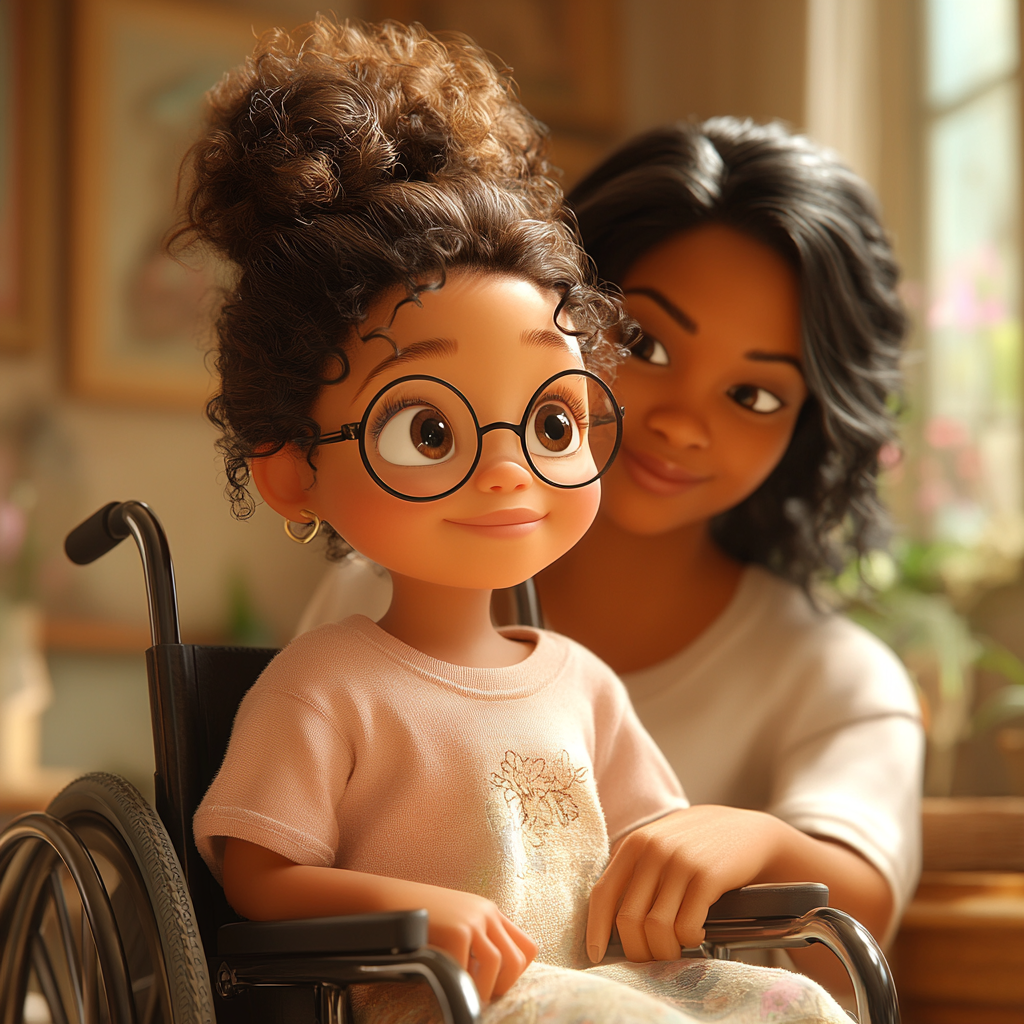
Special education in the early years is more complex and demanding than ever. The number of young children with a range of learning needs (autism, speech and language delays, sensory sensitivities, ADHD, and more) continues to grow. Teachers must find new ways to keep up but many face familiar hurdles:
-
Growing caseloads and increasingly complex student profiles
-
Limited access to specialized resources and support staff
-
Ongoing pressure to craft individualized interventions, track data, and comply with IEP requirements
The pandemic increased technology use in classrooms. But simply having digital tools is not enough. The real opportunity lies in pairing human insight with technology that adapts to the resources teachers actually have.
✨ This is where AI’s real power shines.
Understanding AI in Special Education: What Teachers Should Know
You might wonder, What exactly is AI, and how is it different from other classroom technology?
In simple terms:
AI (Artificial Intelligence) refers to computer systems that process information, identify patterns, learn from data, and create content. Think of it as a digital teaching assistant that gets smarter over time.
AI Superpowers for Preschool & Elementary Classrooms
AI-powered tools can adjust and grow as your students do. They offer flexibility that pre-programmed apps cannot match.
-
Personalization: Tailoring learning materials for each child. This means adjusting stories, visual aids, and activities in real time. See our article on AI for Personalization at Scale for more on how this works in practice.
-
Pattern Recognition: Spotting behavior or learning trends that even experienced educators may miss.
-
Content Generation: Creating custom social stories, visual supports, or lesson materials when you need them.
Recent research in the field (Sage Journals) has shown how tools like ChatGPT already generate customized early childhood content for diverse needs.
Ensuring Safety and Privacy When Using AI in the Classroom
With young children, safety and data are non-negotiables. The Council for Exceptional Children urges teachers to choose AI tools that follow privacy rules like FERPA and are clear about data use.
Real AI Applications in Elementary Special Education
Visual Communication and Social Stories
Children with communication differences often benefit from visual supports and clear routines. AI now makes this easier:
-
AI-generated visual schedules reflect a child’s unique routines and preferences
-
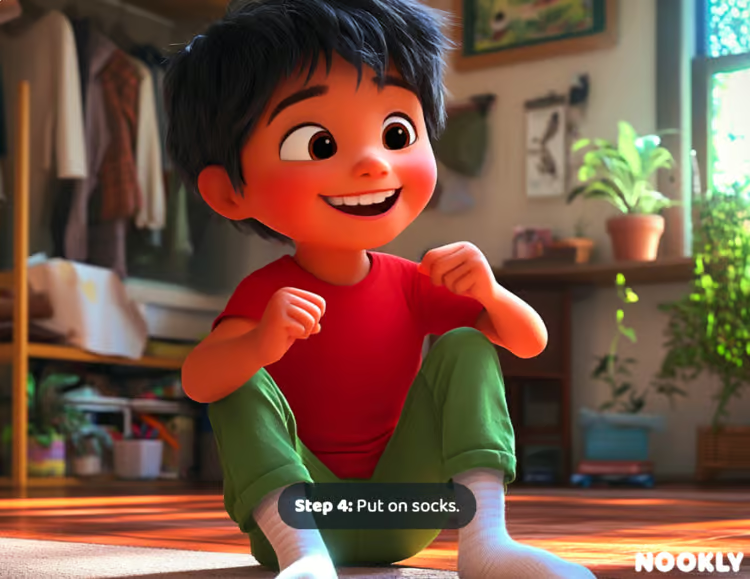
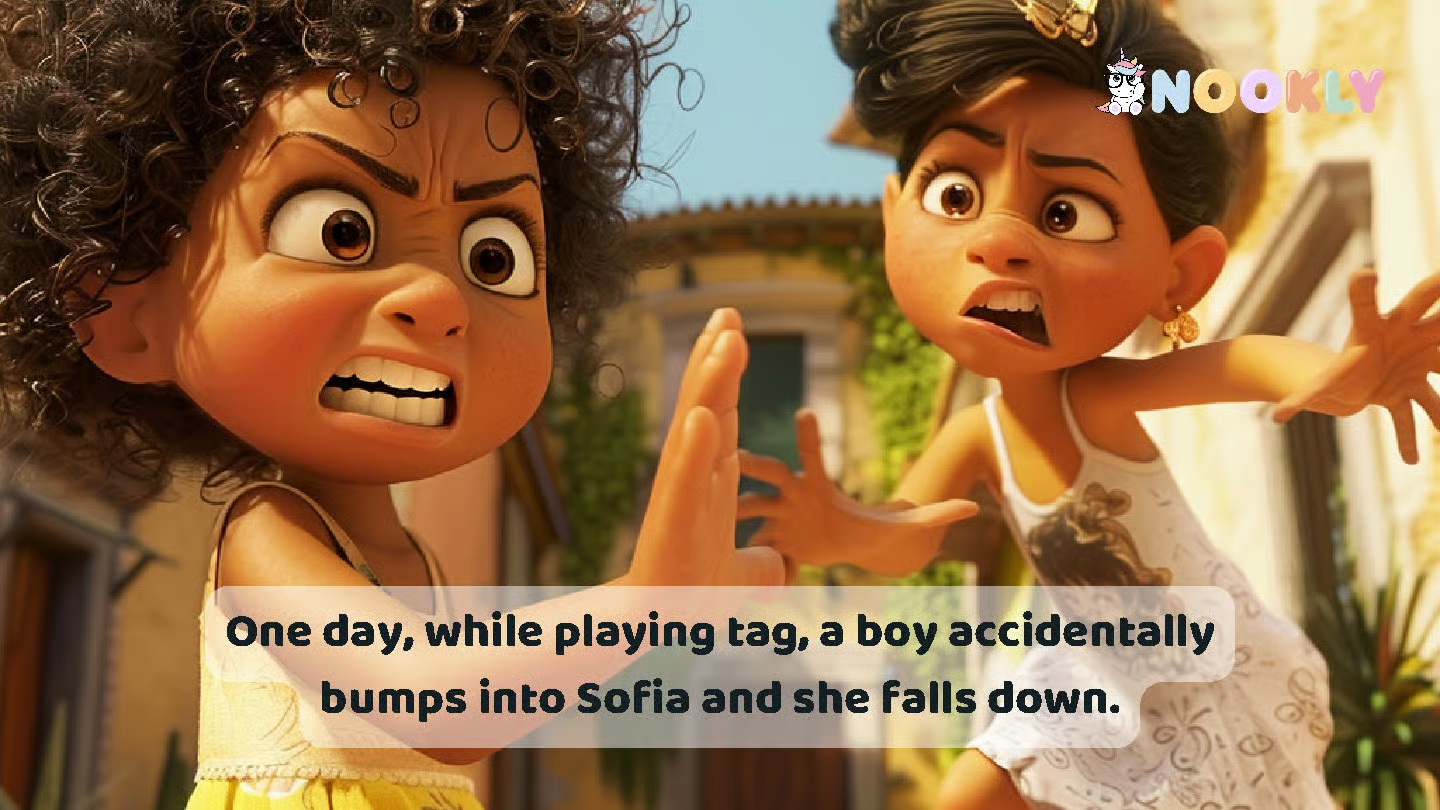
Personalized social stories (for transitions, sharing, or new experiences) can be created in minutes rather than hours
-
On-the-fly adaptation: If a child masters a skill, the tool can update the story to support a new goal
You could use an AI platform to create a calming social story for a preschooler or kindergartener who feels anxious during fire drills. Or you might update visual instructions for a child struggling to follow routines. These are real and practical examples of how AI is used in preschool special education.
Individualized Learning Plans and Assessment
Teachers often say IEP documentation is one of the most time-consuming parts of their job. AI helps in several ways:
-
Data-driven insights: AI reviews daily observations to spot skill growth or challenge areas, shaping more accurate, measurable IEP goals (Education Week)
-
Progress tracking: Platforms log and show progress instead of requiring manual notes
-
Adaptive learning pathways: As a child masters a skill like color naming, AI can offer new, related challenges
This saves time and helps you create real personalized plans. It also makes it easier to share each child's growth with families.
Behavior Support and Emotional Regulation
Supporting good behaviors and emotional growth in young children needs both instinct and evidence. AI tools can:
-
Use emotion recognition to spot signs of frustration, anxiety, or excitement
-
Apply predictive analytics to anticipate when behaviors might occur and offer proactive strategies
-
Create personalized coping tools, such as relaxation routines or social scripts
Recent studies (CIDDL) show early intervention with AI insights can improve results for elementary aged children with special needs. If you're interesting in learning about AI for parenting, check out our blog post on the topic.
Using AI Tools in Your Special Education Practice
You don’t have to overhaul your entire classroom to start. Try this roadmap:
-
Start small: Pick a clear need, like making visual supports or tracking progress, and select a tool for that job (you can learn more about visual aids on our recent post)
-
Training and development: Use platforms with easy tutorials, webinars, or live support.
-
Collaborate: Involve families and other specialists early. Parent and caregiver insight matters, and they will want to know about new tools and safety steps.
-
Measure and adjust: Set simple goals, such as time saved, student engagement, or skill mastery, and adjust as you collect new data.
Looking Ahead: The Future of AI in Special Education
Change is fast, and new tools are coming soon:
-
Platforms that predict and prevent behavioral incidents before they grow
-
Speech apps built for nonverbal or nearly nonverbal preschoolers
-
Content generators that make interactive lessons using a child’s real-time answers
The best AI supports—not replaces—your relationships with students and families.
Getting Started: Your AI Implementation Action Plan
Ready to try? Here is a simple checklist:
-
Identify your biggest challenge—Is it communication, data tracking, or lesson changes?
-
Research top AI tools for preschool special education and compare features (look for those tailored to early childhood and special ed).
-
Ask colleagues and families for feedback before starting a new tool.
-
Start with one class or group. Track student engagement, progress, and your own workload.
-
Adjust and repeat. No tool is perfect from day one!
-
Ask for professional development on AI in special education.
-
Explore platforms like Nookly to quickly create AI-personalized visual stories, schedules, and lessons——helping teachers save hours of prep while engaging each learner through personalized visuals.
Additional Resources for Educators and Families
-
Webinars from the Council for Exceptional Children on AI in the classroom
-
Parent-friendly guides to AI and privacy in early education
-
Online groups sharing best practices for AI in special education
The Road Ahead: Empowering Educators and Students Alike
Special education is evolving, and AI is becoming one of the most powerful tools to meet the growing needs of young learners. When used thoughtfully, it can give teachers back precious time, unlock new ways to connect with students, and ensure every child’s learning experience reflects their strengths, challenges, and individuality.
The future of early childhood and elementary special education isn’t about replacing the human touch—it’s about amplifying it. By pairing educator expertise with AI-powered personalization, we can make classrooms more inclusive, responsive, and joyful places to learn.