Nookly vs StoryJumper vs a Writing Notebook: Who Holds the Pencil?
Nookly Team · 6 min read
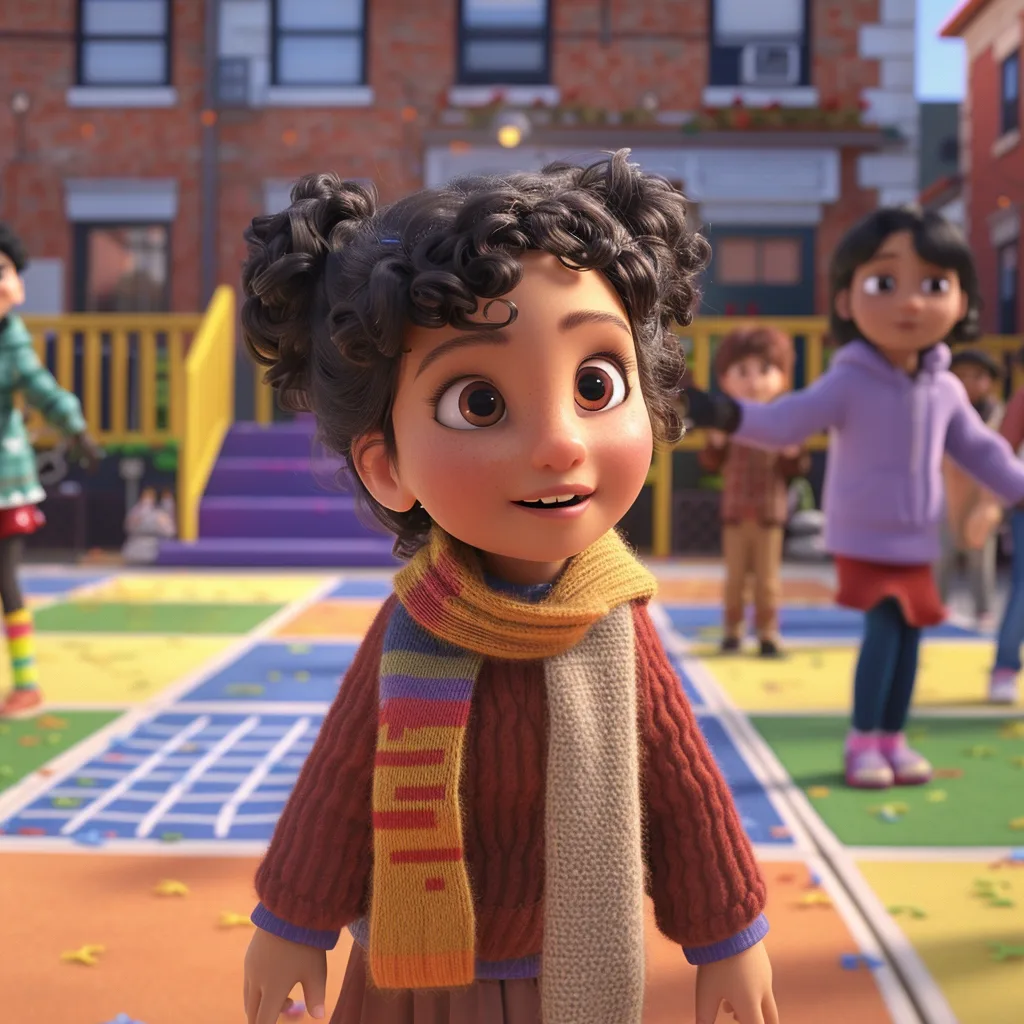
Your eight-year-old has a story about a pirate cat who's afraid of water. She wants to write it. The question is where. She could build it as an illustrated book online, with pages and pictures and maybe her own voice reading it. She could grab a notebook from the drawer and start right now. Or you could help her get unstuck with prompts made around her pirate cat and her particular writing wobbles.
These options are all good. They just hand the pencil to her in different ways.
TL;DR: who wins where?
- StoryJumper wins for child-led book authoring and publishing, with StoryChat planning support and classroom creation tools.
- A writing notebook wins for immediate, physical, screen-free drafting whenever an idea lands, with nothing to set up.
- Nookly wins when an adult wants writing practice connected to the wider family context that enriches the child's creativity and unlocks their fear of judgement through play-based techniques
The question underneath
Who holds the pencil? It's the right question for any writing tool, digital or not. The child should own the ideas: what happens, who it's about, how it ends. Adults and tools can help with the scaffolding: getting started, planning, remembering to reread, and eventually sharing.
All three options here can keep the child in charge. They differ in what else they offer.
StoryJumper: a place to make a book
StoryJumper centres on children making and publishing books. Its narrative-writing page describes StoryChat, an AI tutor that supports story planning through chat before the child builds and shares the book. Its classroom page also lists AI Pictures.
The strength is publishing. Seeing your own story as a real book, with your drawings and maybe your voice, is a powerful moment for a young writer. It's especially good for kids who love to see a finished product and for classrooms where students share work.
It is a strong fit when the child is ready to plan, build and publish inside a book-making tool.
The humble notebook
Never underestimate a notebook. It costs almost nothing, needs no charging, and is there the second an idea arrives. For many young writers, the notebook is where stories actually start: a list of names, a map, a first line, a drawing with arrows.
For some children, handwriting slows things down helpfully; others do better drawing or dictating while an adult writes. And the notebook keeps every messy draft, which becomes a lovely record of how they've grown.
The limitation is that a blank page can be intimidating. A notebook doesn't offer help when your child is stuck, and not every child knows how to plan or revise on their own yet.
Where Nookly fits
Nookly is designed for adults to create learning around one child. For writing practice, that might mean a story, planning sheet, game, printable or step-by-step sequence connected to the child’s idea and wider family context.
Here's where Nookly adds something different. You can describe the whole situation: "She's eight, she has a story about a pirate cat afraid of water, she writes great beginnings but rushes endings, and she loves drawing maps." Nookly can help you make a treasure-map planning sheet with spaces for beginning, problem, attempts and ending; three open questions about why the cat fears water; and a short "reread like a reader" checklist. None of it writes the story. All of it is shaped around her.
You can do this as one experience on demand, or set up a Blueprint, a finite plan over a few weeks that moves from brainstorming to drafting to a small sharing moment. You review everything, and you can change course anytime.
A small example. On Monday your daughter has a first line she loves and nothing else. You print the treasure-map sheet and she fills in the ending first, which surprises you both. On Wednesday she's stuck on why the cat hates water, so you read her one of the open questions and she decides a wave once stole its hat. The idea came from her. The sheet just gave it a place to land.
Mixing them
These tools stack nicely. A Nookly-made planning sheet and prompts help her get unstuck. The notebook holds the messy first draft. StoryJumper, or a stapled paper book, becomes the place where the finished story gets published and shared.
If your child is younger, the same mix works with you scribing. Their words, your handwriting, their pictures.
It also helps to separate the stages clearly. Planning and drafting are for ideas; spelling can wait. Rereading is for making sense. Publishing is for sharing. Each tool here is strongest at a different stage, and children often relax when they know they don't have to get everything right at once.
What to watch for
With any tool, keep an eye on authorship. If a prompt starts to feel like it's steering the plot, drop it. If your child says "just tell me what happens," hand the question back gently: "What do you think the cat would do?" The goal is a child who trusts their own ideas.
Three stuck moments, three fixes
Stuck at the start? Try a two-minute "talk it first" round. Your child tells the story to a stuffed animal while you jot down only the nouns. Those words become their starting list.
Stuck in the middle? Ask, "What does your character want, and what's in the way?" Then offer two choices, not ten: "Does the pirate cat build a raft or find a friend who swims?"
Stuck at the end? Read the beginning aloud together and ask what the character learned. A one-sentence ending in their own words beats a long ending you wrote for them.
A good test for any tool is simple. After using it, whose sentences are on the page? If most of them are your child's, it's doing its job.
A sample request
"My nine-year-old is writing a mystery about a missing school hamster. He has the start and the ending but the middle is flat. Make four open questions that help him add a clue and a false lead, without telling him what they are, and a one-page checklist for rereading." Print it. Let him decide which questions to use.
Side by side
On a phone, swipe the table sideways to see every column.
| StoryJumper | Writing notebook | Nookly | |
|---|---|---|---|
| Main job | Authoring and publishing a book with text, pictures and sound | Immediate physical drafting and idea-catching | Adult-made prompts, plans and formats around one child’s story |
| Starting point | Blank page, own uploaded art, or author tools and templates | A blank page | The child’s own idea, stage and sticking points |
| Who writes the story | The child | The child | The child; Nookly supports the adult, not the plot |
| Planning support | StoryChat AI planning through chat | The child’s own notes | Adult-directed prompts, sheets and multi-format practice |
| Screen use | Made on a device | None | The adult creates; the child mostly works on paper |
| Best moment | Sharing a finished book | Catching an idea fast | Getting unstuck or building a writing habit |
StoryJumper descriptions checked September 28, 2026 from its public classroom and narrative-writing pages. Nookly isn’t affiliated with StoryJumper.
Ready? Make a planning sheet around your child’s story idea, then hand them the pencil.
Sources checked September 28, 2026: StoryJumper classroom tools and AI Pictures; StoryJumper narrative writing and StoryChat. Nookly isn't affiliated with or endorsed by the organizations named.
From the Neighborhood