Nookly vs Mystery Science vs Children’s Philosophy Resources: Where Does the Question Go?
Nookly Team · 6 min read
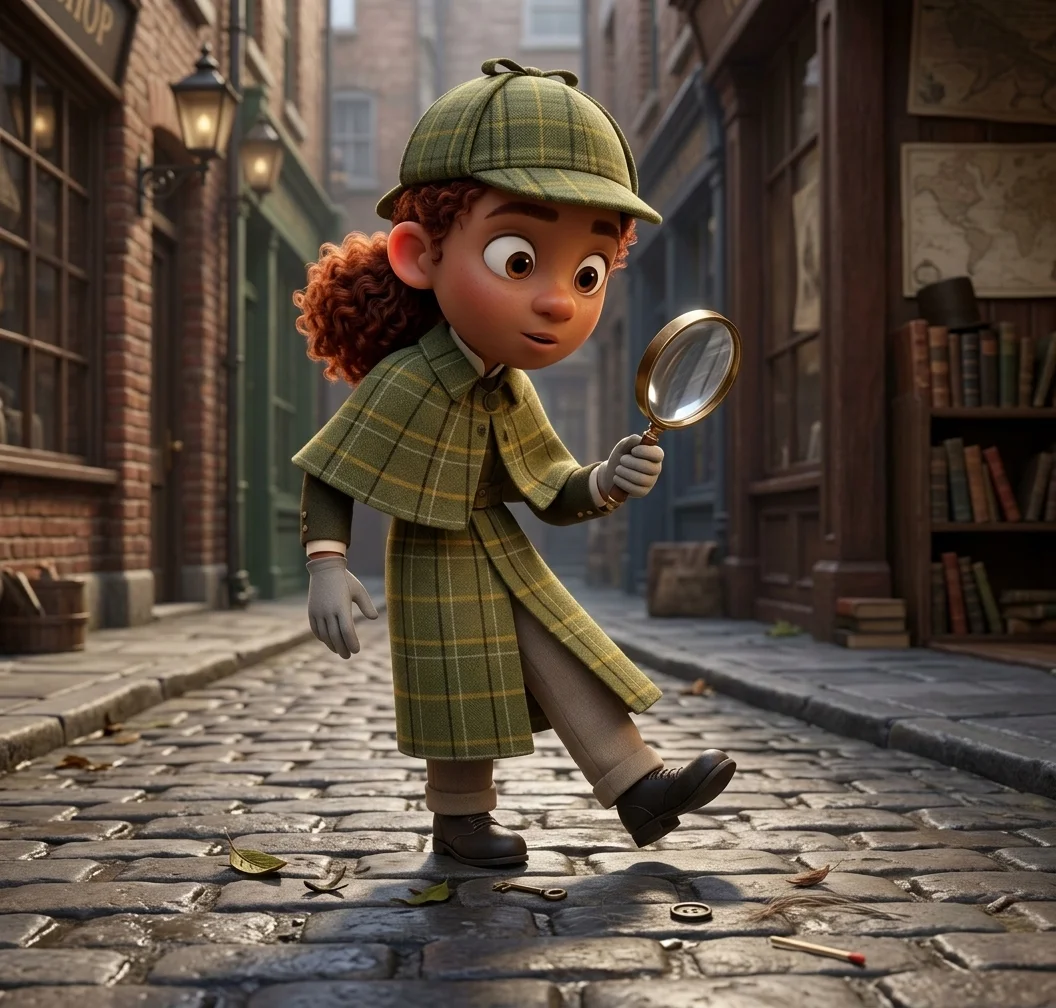
Your eight-year-old is full of questions this week. "Why do leaves change color?" "Is it ever okay to lie?" "If I replace every part of my bike, is it still my bike?" Some of these have answers you could look up or test. Some don't have one right answer at all. You'd love help with both kinds.
A prepared science lesson could tackle the leaves. A children's philosophy resource could open up the lying and the bike. Or you could make discussion cards around exactly the questions your child is asking. Here's how they compare.
TL;DR: who wins where?
- Mystery Science wins for prepared science lessons with video and hands-on activities, when the question has an evidence-based answer.
- Philosophy resources win for thoughtful, prepared conceptual discussions. The Philosophy Foundation offers questions, films and topics for children, such as fairness, identity and responsibility.
- Nookly wins when you want discussion cards and adult prompts built around your child’s own questions and situation, for a conversation you lead. It isn’t a child chatbot or certified Socratic instruction.
Some questions are both. "Should we keep a pet frog?" involves facts (what frogs need) and values (is it fair to the frog?). Noticing both sides is itself a great thinking skill for older children.
Two kinds of questions
It helps to notice which kind of question your child is asking. "Why do leaves change color?" is empirical: it has an answer you can find with evidence. "Is it ever okay to lie?" is philosophical: it's about values and reasons, and people disagree. Different questions need different kinds of help.
Children often mix these up, and that's natural. When your child asks a big question, you can gently ask, "Is this something we could test, or something we'd need to talk about?"
Mystery Science: the evidence path
Mystery Science offers prepared video-and-activity science lessons. For an empirical question like the leaves, a well-made lesson can give a clear explanation and an activity to see it for yourself.
It's especially helpful when you're not sure of the science yourself. A prepared lesson may not match your child's exact question, but often there's something close.
Philosophy resources: the discussion path
The Philosophy Foundation provides prepared resources for children, including philosophical questions, films and topics like fairness, identity and responsibility. They're designed to spark careful discussion rather than deliver answers.
For the bike question, which is a version of a very old identity puzzle, a prepared enquiry can guide a rich conversation. These resources aren't a curriculum equivalent, and they don't know your child. But they're thoughtfully made.
Image placeholder · Inline image
Two friends playing together
Where Nookly fits
Nookly is a tool for adults to create learning pieces for one child. For inquiry, that often means discussion cards, a short story that ends on an open question, or an investigation sheet, all built around what your child is actually asking.
Here's where Nookly adds something different. You can say: "He's eight. He asked if it's ever okay to lie after he told his gran he liked her jumper when he didn't. He loves football." Nookly can help you make five open discussion cards using examples he'll recognise (the jumper, a football referee, a surprise party), and a short story about a boy who has to decide whether to tell the truth. For the leaves: a simple observation sheet for collecting and comparing leaves over a few weeks.
Boundaries matter. Nookly isn't a chatbot for your child to talk to and doesn't offer certified Socratic instruction. It won't claim one right answer to a philosophical question. It helps you prepare; you lead the conversation. You review everything first.
You can create a single experience on demand, or set up a personalized learning plan called a Blueprint for an ongoing Goal, a finite plan, maybe a "big questions" month mixing science investigations and discussions.
A quick example. On Monday you share a lesson about seasons and leaves, and your son collects five leaves from the park. On Wednesday, at dinner, you read one of the discussion cards: "Your gran knits you a jumper you don't like. She asks if you love it. What do you say?" He thinks for a long time. He says he'd say he loves that she made it. His sister disagrees. The conversation lasts twenty minutes and ends with everyone laughing.
The bike question comes back at bedtime, and you promise to talk about it at the weekend.
Using them together
Watch a science lesson about seasons for the leaves. Try a prepared philosophy enquiry about identity for the bike. Make Nookly discussion cards about lying, built around the jumper. Each question gets the kind of help it needs.
Think about your child too. Some children love hands-on experiments and get restless in long discussions. Others love talking through ideas and could debate fairness for an hour. Most are a mix. Offering both kinds of question, over time, helps children see that some things are found out and some are thought through.
How to choose
If the question has an evidence-based answer and you'd like an expert explanation, a prepared science lesson. If it's a big conceptual question and you want a thoughtfully designed discussion, a children's philosophy resource. If you want questions built around your child's own situation, for a conversation at your kitchen table, that's where Nookly helps.
And whichever you use, know when to stop. When your child is done, the conversation is done, for now.
Whatever you use, the most important part is the same: listening with genuine curiosity to what your child thinks.
Is it a test or a talk?
When a question lands at dinner, try sorting it together. Ask, "Could we find out by looking, measuring or trying?" If yes, it's a test: plan one small experiment for the weekend. If not, it's a talk: "Is it ever okay to keep a secret?" For those, take turns giving a reason and listening. Kids love deciding which kind of question they've asked.
A sample request
"My nine-year-old asked if it's fair that her little brother gets less homework. Make four open discussion cards about fairness at school and home, with examples she'll recognise, and one 'what would you do?' scenario. No right answers." Read them, pick one for dinner, and listen.
Side by side
On a phone, swipe the table sideways to see every column.
| Mystery Science | Philosophy resources | Nookly | |
|---|---|---|---|
| Main job | Prepared science lessons with video and hands-on activities | Prepared philosophical questions, films and topics | Adult-made discussion cards and prompts around one child |
| Type of question | Empirical, answered with evidence | Conceptual, answered with reasons | Either, shaped around the child’s own question |
| Personal context | Follows its lesson sequence | General topics like fairness and identity | The child’s situation, examples and interests |
| Formats | Video lessons and activities | Question sets, films and topics | Discussion cards, stories and investigation sheets |
| Who leads | The lesson, with an adult | An adult facilitator | The adult, in their own conversation |
| What it isn’t | Not a discussion guide for values | Not a curriculum equivalent | Not a child chatbot or certified Socratic instruction |
Descriptions checked September 28, 2026 from public Mystery Science and Philosophy Foundation pages. Nookly isn’t affiliated with either.
Got a big question at home? Make discussion cards around it, and save one for dinner.
Sources checked September 28, 2026: Mystery Science help center; The Philosophy Foundation, resources for children. Nookly isn't affiliated with or endorsed by the organizations named.
From the Neighborhood
Try a ready-made bundle
Outdoor Science: Weather, Shadows and PlantsThe evidence path: observe, predict and check outdoors.View bundle- Taking Turns and Playing Fair — The discussion path: what makes a rule fair?