The Small Victories Club: Life Skills for Real Family Mornings
Nookly Team · 5 min read
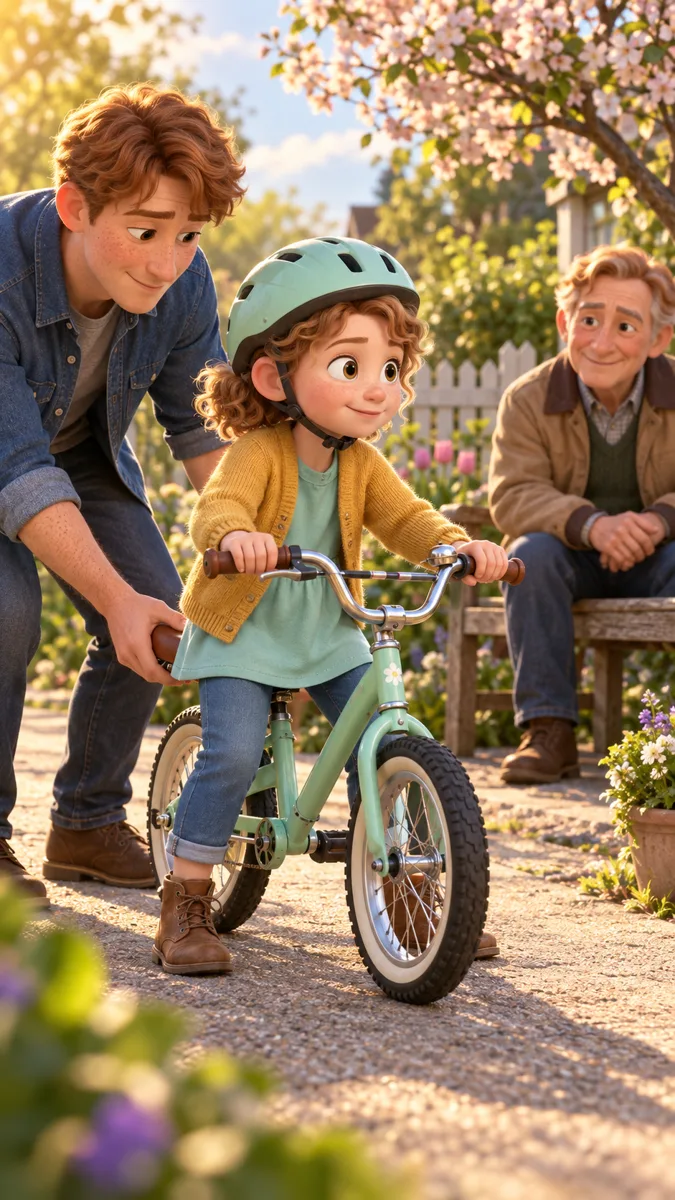
It's 7:42. One shoe is on. The other is under the sofa, probably with a cracker. Your five-year-old is brushing her teeth with tremendous enthusiasm and very little accuracy, and you're doing the maths on whether you'll make it out the door.
And then she does something small: she puts her own lunch box in her bag, without being asked, and says, "I did it." You could almost cry.
Welcome to the Small Victories Club. Membership is free and meetings happen every morning. This article is about the everyday skills that make up childhood, and how to make room for them without turning your house into a boot camp.
One small victory a morning
Life skills are huge in total and tiny in practice. Nobody learns independence in one go. They learn to pull up their own socks, then to choose their own socks, then to remember socks at all.
A helpful approach is to pick one ownership moment per routine. In the morning, it might be putting the lunch box in the bag. At bedtime, choosing the book. It's one thing that's theirs, done their way, every day. Once it's easy, add another.
Readiness matters more than age here. Some four-year-olds love setting the table. Some eight-year-olds still need reminding about shoes. Neither is behind; they're just on their own path.
It also helps to notice victories out loud, specifically. Not "good job," but "You zipped your coat all by yourself."
Routines that hold the day
Routines work because they take decisions off the table. When the morning goes wake, toilet, dress, breakfast, teeth, shoes, there's less to argue about. Kids like knowing what comes next, even when they protest.
A picture sequence taped to the wall is gold for younger kids. Three or four pictures, in order, that they can point to. For older kids, a checklist they tick themselves can feel very grown-up.
Keep routines gentle. If a morning goes sideways, it's not a failure. Tomorrow's another meeting of the club.
For a morning routine, you can even let your child help design the chart. Ask what comes first, take photos of them doing each step, and let them choose where it goes. A chart they helped make is one they're much more likely to use.
Little bits of independence
Independence grows from small, real responsibilities. A two-year-old can put their cup in the sink. A five-year-old can pour their own cereal (with a small jug). An eight-year-old can make a simple sandwich or pack their own bag.
The trick is to let them do it slower and messier than you would. It's genuinely hard. But the look on their face when they've done it themselves is worth the spilled milk.
A useful phrase for these moments is "Do you want help, or do you want to try first?" It gives your child the choice, respects their effort, and keeps you nearby. Most children will surprise you with what they want to try.
Money, pretend first
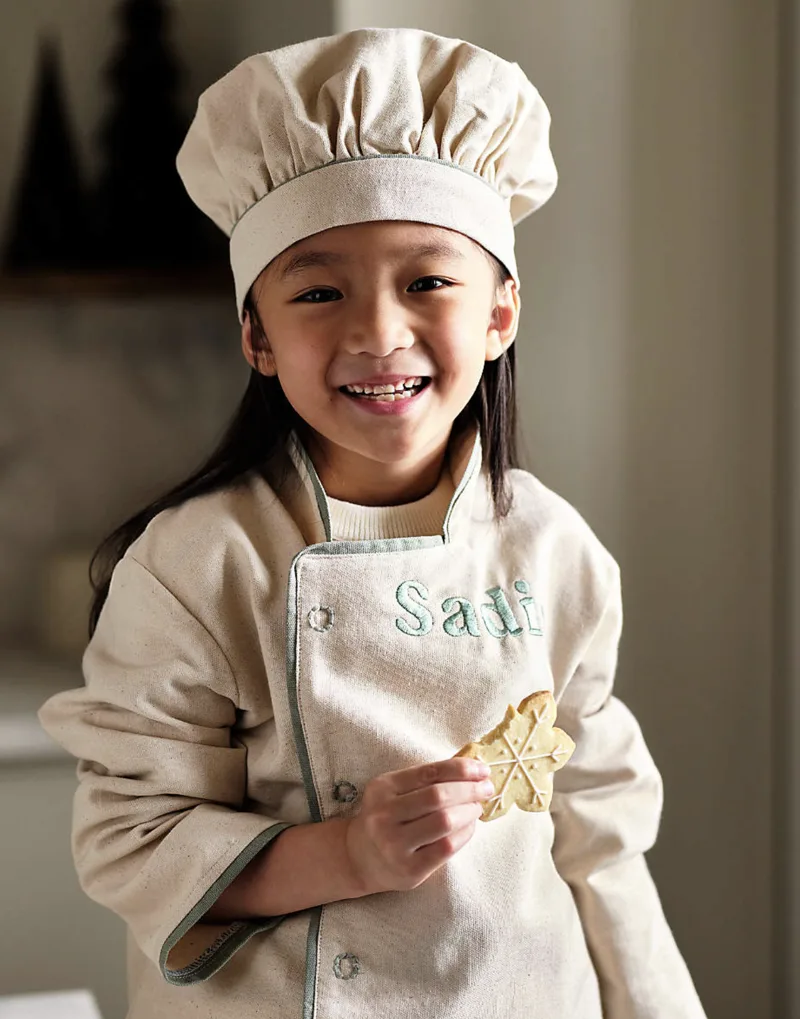
Money is a life skill kids pick up in pieces. For toddlers and preschoolers, keep it pretend. Paper notes and play shops are perfect; real coins are a choking hazard for little ones. A pretend café where your child "buys" a snack with paper money teaches that things cost something and that you swap money for them.
Around five and six, kids can start sorting and counting play money, and understanding that saving means waiting. A clear jar where they can watch their savings grow for something they want is a lovely, concrete lesson.
By eight or nine, you can talk about choices: spending a bit now, or saving for something bigger. Keep it about everyday decisions, not investing or finance tips. The goal is simply understanding that money is limited and choices matter.
Everyday outings help too. At the shop, older kids can compare two prices, or hold the list and tick things off. At home, a pretend shop with a price tag on each toy is a great rainy-day game. Let them be the shopkeeper and give change with paper notes. There's a lot of counting hiding in there.
Homework habits without the battle
For school-age kids, homework is often where routines get tested. A few things help. A consistent time and spot, a snack first, and a short start ("Let's just do the first question together"). Break big tasks into chunks. Let them choose the order.
Avoid turning homework into punishment, or making rewards so big they overshadow the work. You want homework to be a normal, manageable part of the day, not a nightly standoff.
Some families find a "homework buddy" helps: a sibling or stuffed toy who sits nearby and "does their homework" too. For younger kids who don't have homework, a short quiet table time with drawing or a puzzle builds the same habit of sitting down to focus for a few minutes.
Potty readiness, in its own time
Toilet learning is a big milestone, and one where comparisons are especially unhelpful. The American Academy of Pediatrics' parent site notes that readiness varies from child to child, and there's no set deadline. Signs of interest, staying dry for a while, and being able to follow simple steps can all help you judge timing.
Keep it positive and low-pressure: a picture story about the steps, a proud moment when it goes well, and patience when it doesn't. If you have ongoing worries, talk to your pediatrician.
Moving bodies
Movement is a life skill too. Balancing on a line of tape, throwing a beanbag into a basket, climbing, threading beads, cutting with child-safe scissors: these are everyday play that builds coordination. They're not clinical exercises and don't need to be. Just make the space and join in.
Many of these skills overlap. Pouring cereal is independence and motor practice. The pretend café is money and turn-taking. A bath routine is sequence and self-care. You don't need to schedule each skill separately; everyday life keeps offering chances.
Where Nookly can help
Nookly helps adults make small, personalized pieces for these moments. You might ask for a picture sequence for your child's actual morning ("our dog, the blue toothbrush, the red backpack"), a short story about a character who packs their own bag, or a paper-money café menu with their favorite snacks.
You can ask for a single experience on demand, or set up a personalized learning plan called a Blueprint for an ongoing Goal, a finite plan, maybe building one new ownership moment each week. Use the pieces in your family's own routine. You review everything first.
Tip: a two-minute warning before each transition ("Two more minutes of play, then shoes") helps many children move between steps with fewer protests.
Join the club this week
Pick one routine. Choose one small thing your child could own. Make it visible, with a picture or a note. When they do it, say, "You did that." That's a small victory. Tomorrow, there'll be another.
Sources checked September 28, 2026: HealthyChildren.org (American Academy of Pediatrics), toilet training. Nookly isn't affiliated with or endorsed by the organizations named.
From the Neighborhood
Try a ready-made bundle
Daily Routines & Independence SkillsEveryday independence: brushing teeth, getting dressed, cleaning up, homework and transitions.View bundle- Counting and Early Money Skills: Pretend Café — For the article's “money, pretend first” section.
- Potty Training: Understanding My Bathroom Routine — For potty readiness, at the child's pace.