Small Hands, Everyday Kindness: Islamic Learning That Feels Like Home
Nookly Team · 5 min read
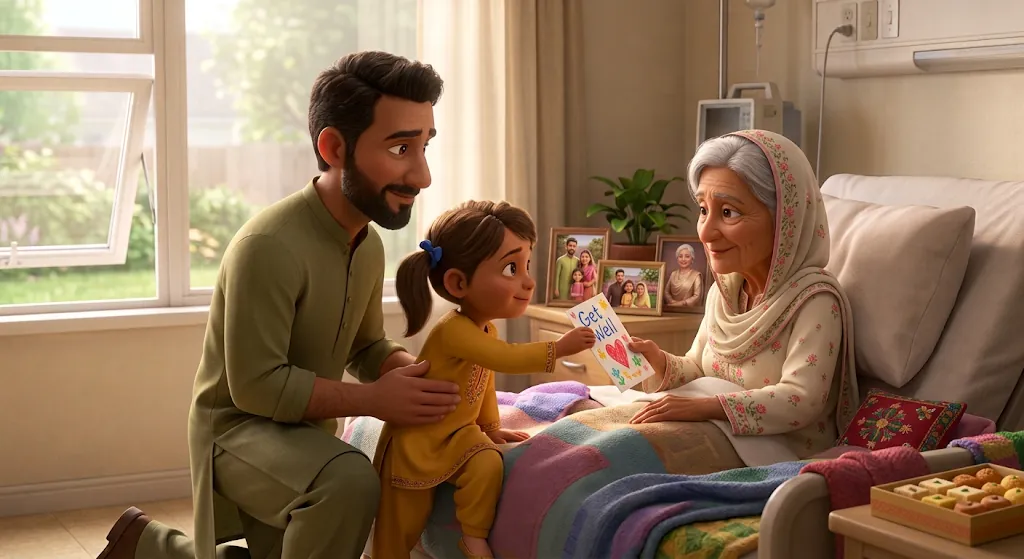
Your elderly neighbor, Aunty Khadija, is coming back from the market with a basket that looks far too heavy. Before you can offer, your five-year-old has dashed across the path. "I'll carry it!" The basket is almost as big as she is. She wobbles. An orange escapes and rolls into the flowerbed. She carries it the whole way anyway, red-faced and proud.
Aunty Khadija thanks her and presses a date into her hand. Your daughter talks about it all evening. "I helped. Did you see? I helped."
For many Muslim families, moments like this are at the heart of raising children in faith. Kindness, good manners and gratitude, learned in small, ordinary acts.
Adab in everyday life
Adab, often described as good manners and beautiful conduct, is something children mostly learn by watching and doing. Greeting people warmly. Saying thank you. Helping without being asked. Speaking kindly to siblings, even when they've taken your crayons. Respecting elders like Aunty Khadija.
These things don't need a lesson. They need a family that practises them and notices when children do too. "You carried that basket so carefully. That was really kind." Specific, warm recognition helps a child see themselves as someone who helps.
Gratitude, out loud
Many families build gratitude into daily rhythms: before and after meals, at bedtime, after something good happens. Children can join in simply. Naming one thing they're thankful for. Noticing a beautiful sky on the way to school. Remembering someone who was kind today.
Some families keep a gratitude jar or a family notebook where children draw something they're thankful for each week. Looking back through it on a special occasion is lovely.
The words your family uses for gratitude, including any duas, are best taught by you or a trusted teacher, in the form your family knows. That keeps them accurate and meaningful.
Family practice, at a child's pace
Children often want to join what they see adults doing. A toddler might copy the movements of prayer next to a parent, laying out their own small mat. An older child might start learning short surahs with a teacher, or helping to prepare food to share during Ramadan.
Let them join at their pace. Curiosity and belonging come first. It's natural for children to be enthusiastic one week and distracted the next. Gentle consistency tends to matter more than intensity.
Muslim families are wonderfully diverse, too, across many cultures, languages and traditions. Your family's practice is yours. Children can learn that faith is shared by people all over the world, who may celebrate in different ways.
Small rituals help as well: tidying the prayer space together, putting shoes neatly by the door, preparing a plate for a neighbor. Children love having a job that belongs to them.
When the questions come
Children ask big questions. "Where is Allah?" "Why do we fast?" "What happens when we die?" "Why doesn't my friend pray like us?" These are signs of a thinking, curious child.
It's fine to say, "That's a beautiful question. Let's find out together." For questions about the Quran, hadith or religious rulings, turn to a trusted source: an imam, a qualified teacher, or books your family trusts. Children benefit from knowing that we look to reliable people and sources for these answers, rather than guessing.
For questions about other people's beliefs, you can emphasise respect and kindness toward everyone, in whatever way fits your family's understanding.
Stories told aloud by grandparents and elders are a treasure too. Many children remember the stories their grandmother told far longer than anything they read. If you have family members who love to tell stories, invite them in, in person or on a video call.
Honoring your family's choices
Families have different preferences about things like music, pictures of living beings, and what kinds of stories they share. These are personal and family decisions, often guided by your own understanding or your scholars. Whatever resources you use should respect those choices, and you're always the one to decide.
If you'd prefer activities without music, or illustrations of a certain style, just say so when you make something. It's your home.
It's also worth remembering that faith is not the same as culture or ethnicity. Muslim children come from every background, and a child's family traditions may blend faith with a particular culture's food, language and customs. Both are precious, and it's lovely to help children see which is which as they grow.
By age, roughly
Around two and three, keep it simple and sensory. Saying bismillah before eating, in the words you use. Helping to put shoes away neatly at the door. A short picture story about sharing.
Around five and six, children love helping, like carrying Aunty Khadija's basket, and hearing stories about kindness and honesty. They may start learning short surahs with a teacher. Role-play is great: pretending to greet guests, or share a meal.
Around eight and nine, many kids can take on bigger acts of care, like helping prepare iftar or donating toys. They can reflect on why kindness matters and ask deeper questions.
Whatever the age, children notice how adults respond to their efforts. A spilled orange from Aunty Khadija's basket isn't a failure; it's a chance to laugh together and pick it up. Kindness learned with warmth tends to stick.
Where Nookly fits
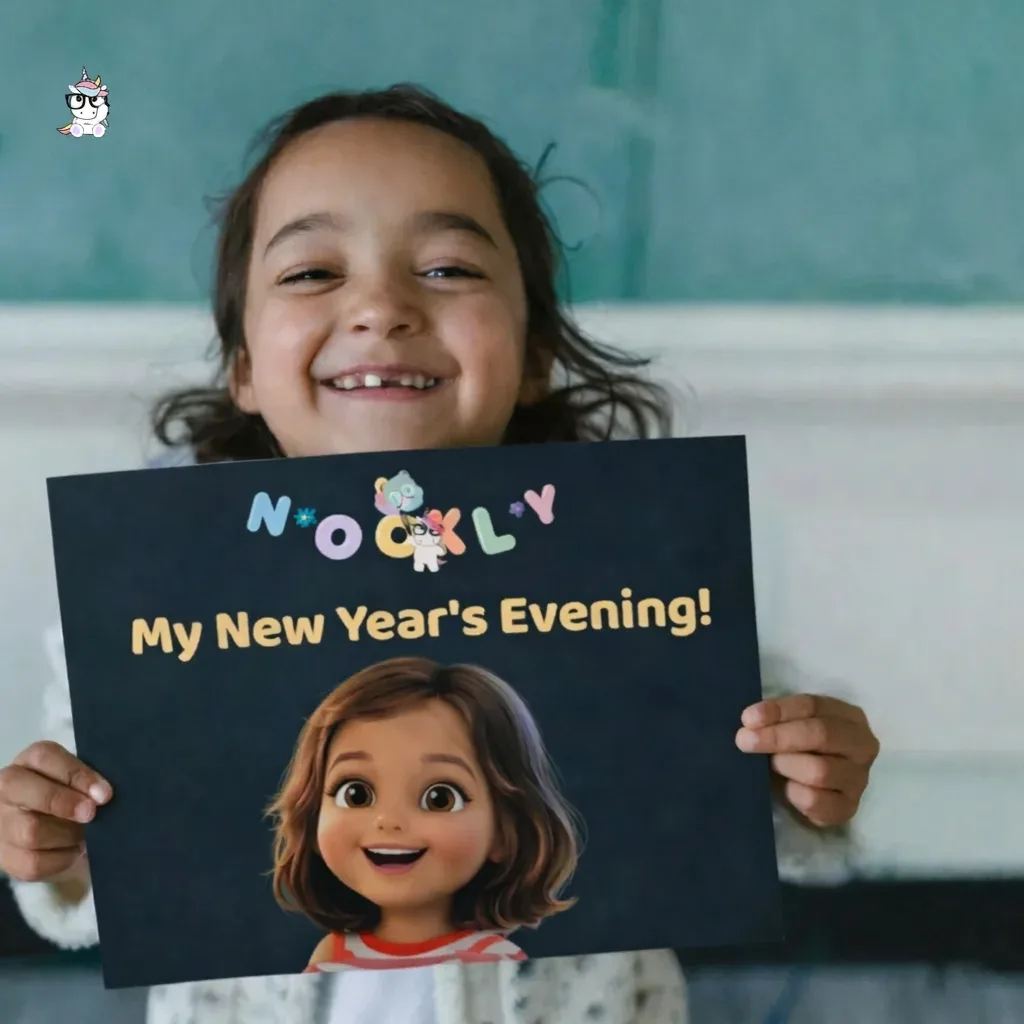
Nookly helps adults create learning pieces around one child. For Muslim families, that might be a kindness challenge, a short story about a child who helps a neighbor, a gratitude jar activity, or cards for practising greetings. You set the themes and the style.
Nookly isn't a scholar, an imam or a Quran teacher, and it isn't a substitute for qualified recitation instruction. If you want a verse, dua or hadith in an activity, provide it from a trusted source and check any quotation with a trusted teacher or reference. You review everything first, and you can ask for activities without music or with particular illustration choices.
You can make a single experience on demand, or set up a personalized learning plan called a Blueprint for an ongoing Goal, a finite plan, maybe a kindness journey leading up to Eid.
You might also let your child choose the illustrations' colors or the name of the girl in the story. Small choices help them feel the story belongs to them.
A request you might write
"My five-year-old loves helping our elderly neighbor. Make a short story about a girl who helps an elderly neighbor carry shopping, a set of 'helping hands' challenge cards for home, and three questions for us to talk about. No music, please. I'll add the dua we use myself." Read it, add your words, and print it.
Afterwards, you might sit with your child and talk about how Aunty Khadija felt, and how they felt. Children often feel very proud after helping, and naming that feeling helps them connect kindness with joy.
This week
Look for one small moment of kindness your child does, and name it warmly. "You held the door for Uncle. That was lovely." Small hands, everyday kindness. That's where it starts.
From the Neighborhood
Try a ready-made bundle
Qur'an Stories, Prayer and Muslim HeritageLuqman's advice, the words of prayer and Muslim family traditions.View bundle- Ramadan Stories and Activities for Kids — Three Ramadan stories for the month itself.