French Learning
Nookly in Paris: Little French Adventures, Wherever You Live
Nookly Team · 6 min read
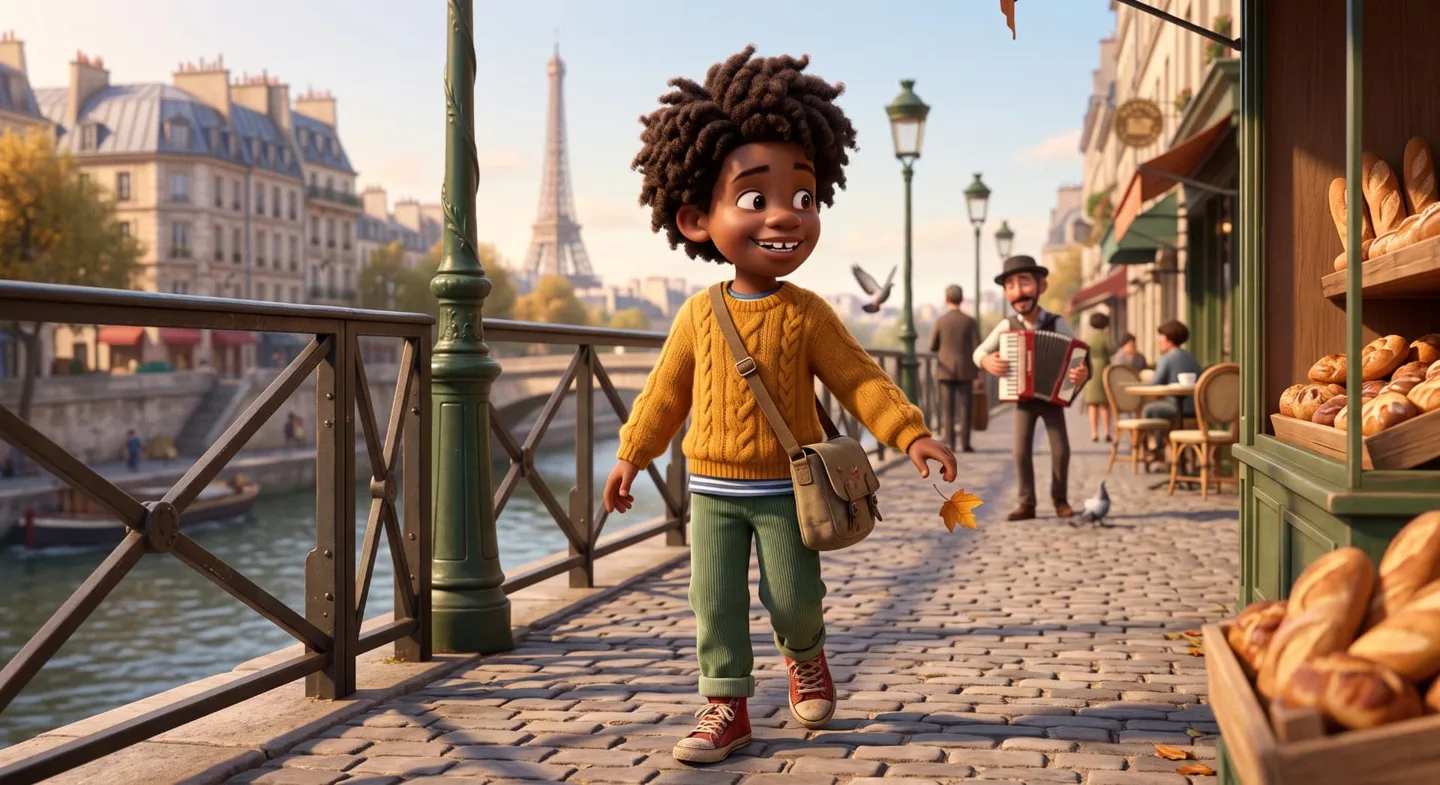
Emily had Paris. Your child has a cardboard café, a teddy who orders three breakfasts and a very important expedition planned for after lunch. Welcome to Nookly in Paris, the family edition. The dress code includes pajamas, and the leading role belongs to your child.
Of course, your French adventure can happen wherever you live. Perhaps your child brings home little phrases from an immersion classroom. Perhaps French is new to everyone, and you would love a welcoming place to begin. A story gives you somewhere to meet.
Start with something recognizable: a missing teddy, a new school friend or a birthday threatened by rain. French can carry an adventure that already makes sense to your child. Add a ridiculous character or an unexpected discovery, and you have the beginning of something worth sharing.
With Nookly, you can describe that situation and create a personalized story or activity using AI. The child's interests give the experience its character; you decide how it fits into family life.
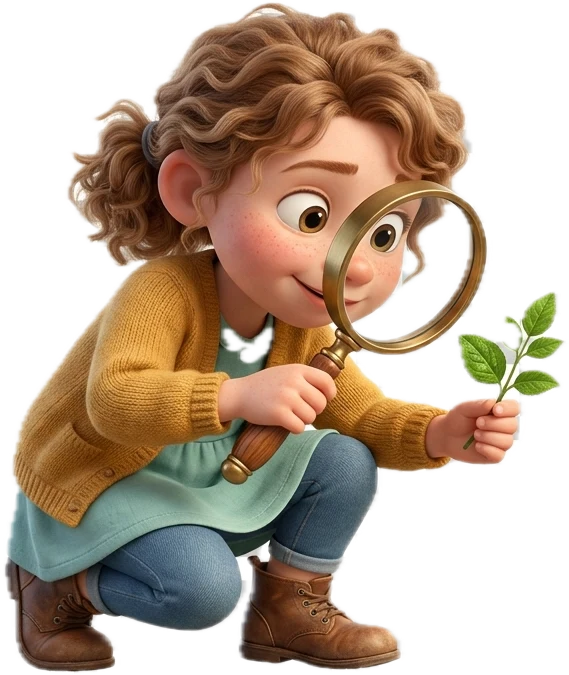
Every little adventure needs a setting
After a full day, children may want to move, invent or tell you something that has nothing to do with the lesson you had in mind. That gives you useful information about where to begin.
If your child wants to build a den, perhaps a French story about explorers can accompany it. If they are planning a pretend party for their toys, give the story a guest who needs help finding the celebration. You can enjoy language within the play already happening.
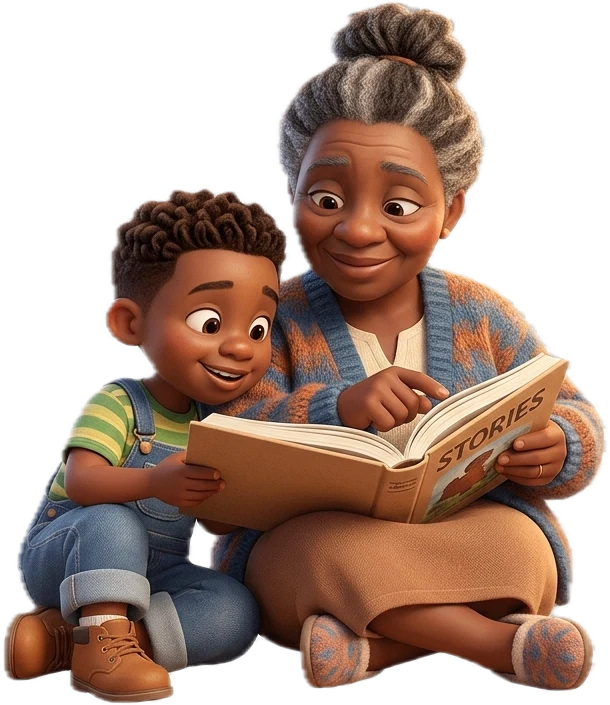
Shared stories are also a reason to slow down together. NAEYC describes how reading with young children supports emerging literacy and connection. You can make room for pointing, guessing and talking about a picture, without measuring the value of the moment by how many words your child repeats.
Try a story that leaves them with an idea. The rest of the afternoon can take it from there.
Toddlers: the adventure is in the familiar details
For a two- or three-year-old, a bedtime routine can contain an entire plot. The toy needs pajamas, somebody has misplaced a blanket and one final hug is absolutely necessary.
An example request for Nookly might be: “Create a short French story for my toddler about a little fox getting ready for bed with Dad. Include a blue blanket and a much-loved toy bus. Keep the sentences short and the mood calm.”
Read through the result first. Then share it with your child and bring the real bus along. They might point to it, tuck it under a blanket or decide that every vehicle in the room also needs a bedtime story.
Let the familiar actions carry some of the meaning. You can enjoy a small part of the story, return to it another evening or put it aside when your child is ready for something else. French has a place in the ritual without becoming the whole job of bedtime.
Ages five and six: a story about finding their place
At five or six, getting to know a school can feel like exploring a new little world. There are bags to unpack, people to meet and games with rules that everybody else seems to know.
Try a French adventure that gives a character one manageable challenge: asking to join a building game or finding someone to sit beside. Add the child's interests so the story feels inviting rather than instructional.
For example: “Create a French story for my six-year-old about a young explorer starting school. She loves insects and hopes to find someone who will look for beetles with her. Use simple language and a warm, playful ending.”
After reviewing and sharing it, use two toys to act out the moment when the characters meet. Your child can choose what each one says or does. For an immersion learner, a teacher can help you choose language connected to familiar classroom experiences. For a beginner, pictures and a short, repeated exchange may be enough to start the game.
Ages eight and nine: let them help write the adventure
Older children often have opinions about what makes a good story. Invite your young creative director to pitch a few ideas before you create one.
Would the birthday party happen in a garden or on a mountain? What if it rains? Which activities could move indoors? Can the characters make the decorations themselves and save their small budget for something else?
You could ask Nookly for a French story about that plan, matching the language to your child's experience. A beginner might need clear, short sentences while still enjoying a thoughtful problem. A more confident reader might enjoy additional dialogue and a character whose first solution does not work.
Then give the child the actual planning materials: paper, pencils, a pretend budget and a few choices. The story can lead into making invitations or explaining a new idea. French is part of the experience, alongside creativity, practical decisions and the occasional excellent suggestion involving cake.
Support immersion without trying to reproduce school
If your child attends a French immersion or bilingual program, ask their teacher what would be useful and enjoyable at home. That might be shared reading, a familiar topic or an opportunity to explain something they are proud of.
Use that information as context for a personalized experience. A request can mention the situation and the child's current understanding without claiming that an AI-created story follows the school's curriculum. The teacher remains your partner in questions about classroom expectations.
You can also let home offer a different kind of French experience. A story about a beloved pet, a cousin's visit or a camping adventure may give a child something fresh to enjoy after a day of schoolwork.
The aim is a welcoming connection between places where French appears. It does not require repeating the school day at the kitchen table.
If your French is rusty, curiosity still counts
You might remember how to introduce yourself and order a croissant, with a rather large gap in between. You can still help your child choose a story and enjoy the activity it inspires.
Preview the material and check unfamiliar wording or pronunciation with a fluent speaker or teacher. Listen to an available narration sample before deciding it fits your family. If you want a particular regional variety of French, check the actual text and voice options rather than assuming the language label answers everything.
Make your own learning visible in a relaxed way. “Let's find out how we could say that” is a perfectly useful contribution. You are modeling interest and making room for knowledgeable people, books and conversations alongside the digital resource.
Let French come along for the next little expedition
A story about explorers can become a walk to find interesting leaves. A bedtime adventure can become a toy's evening routine. A school story can lead to a drawing your child explains to someone who speaks French.
Keep the physical world involved. Use library books, ordinary play materials and time outside. Nookly can help you create a starting point around the child you know; your family decides where the idea goes next.
Explore French stories and everyday adventures with Nookly. Begin with one moment your child cares about, and give French a place in it. Paris, Québec or your kitchen: the setting is yours. Our young star still has an expedition to finish before lunch.